Is Dallas Tap Water Safe to Drink?
Quick Summary: Dallas’ tap water meets federal and state safety standards. Its annual report lists detections of chromium-6, PFAS, disinfection byproducts and other substances, and older home plumbing can affect water at the tap. Homeowners who want to reduce specific contaminants can use reverse osmosis or whole-house filtration.
Dallas’ tap water meets all federal and state safety standards. However, the presence of contaminants like Chromium-6 and PFAS, even at levels currently deemed acceptable, may concern some residents. Residents seeking to minimize exposure to these substances might consider additional home water filtration solutions or staying informed about ongoing water quality reports.
Contaminants in Dallas Tap Water
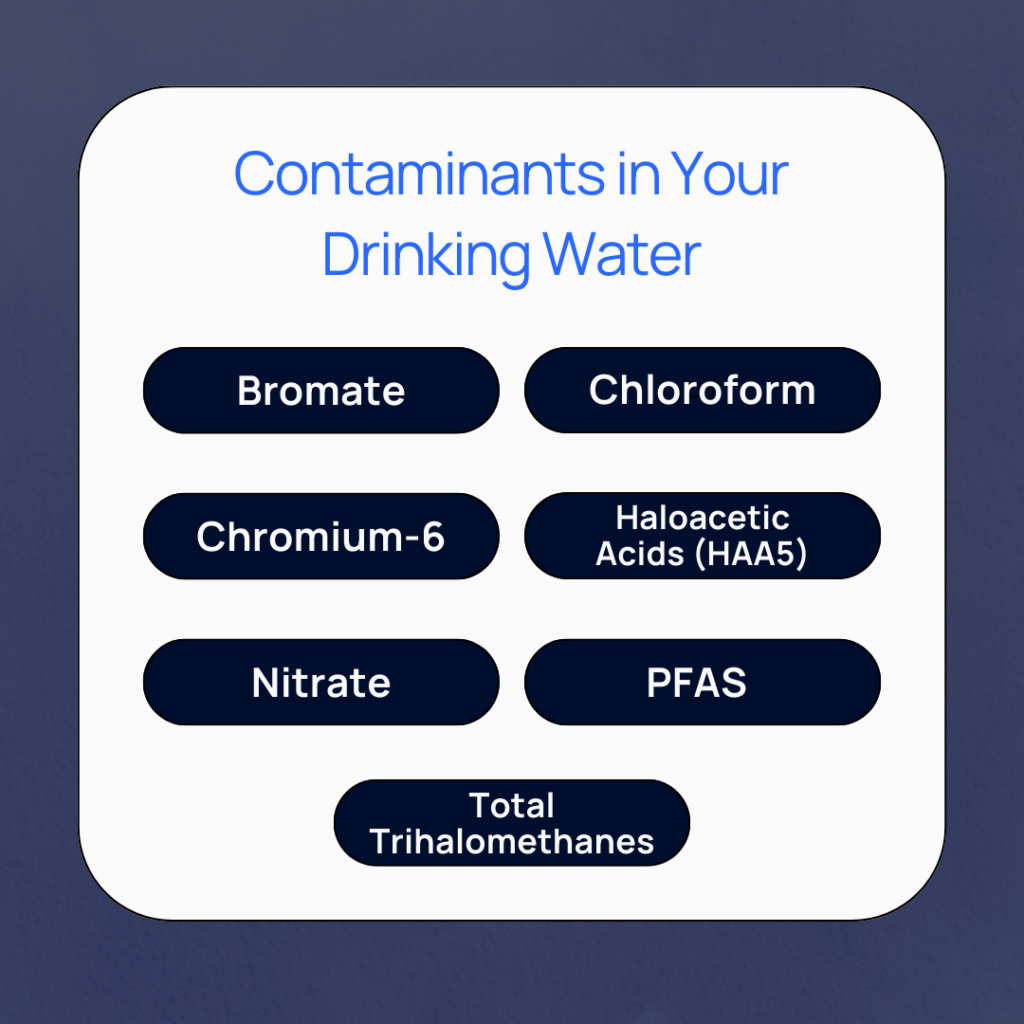
Dallas Water Utilities’ annual water quality report lists detections of substances including:
- Bromate
- Chloroform
- Chromium-6
- Haloacetic Acids (HAA5)
- Nitrate
- PFAS
- Total Trihalomethanes
Chromium-6
Chromium-6 has been detected in Dallas’ tap water at trace levels, averaging about 275 parts per trillion (ppt). There is no separate federal limit for chromium-6; the EPA regulates total chromium at 100 parts per billion.
Presence of “Forever Chemicals” (PFAS)
Per- and polyfluoroalkyl substances (PFAS), often referred to as “forever chemicals,” have been identified in the Dallas-Fort Worth water supply. These chemicals break down very slowly. According to the EPA, studies have linked exposure to certain PFAS to reproductive and developmental effects, an increased risk of some cancers, reduced immune response, interference with the body’s hormones and increased cholesterol levels. Both Dallas and Fort Worth have reported PFAS levels above the EPA’s 2024 limits, which water systems must meet by the compliance deadline. In Texas, 113 systems, including Dallas, detected PFAS, with nearly 50 systems above the new limits, according to the Texas Tribune. Fort Worth’s water treatment plants reported PFHxS and PFOA levels above federal limits. Public systems have three years to complete monitoring and must inform the public of PFAS levels.
Culligan Whole House Water Filters can reduce PFOS and PFOA by 99% at levels up to 1,500 parts-per-trillion (ppt) to <1 ppt. Certified to NSF/ANSI 58 Total PFAS-2022 set by the WQA (Water Quality Association). Check the performance data sheet for full certification details.
Lead and Copper Rule Compliance
In response to updates in the EPA’s lead and copper rule, Dallas Water Utilities (DWU) has proactively notified residents about the status of their water service lines. This initiative aims to identify and address any lead or galvanized pipes requiring replacement, ensuring the continued safety of the drinking water.
Groundwater Contamination Concerns
While Dallas’ primary water supply remains unaffected, it’s noteworthy that ongoing groundwater contamination cases have been recorded in Dallas County. These do not impact the city’s municipal water but could pose challenges for private well users and broader water management strategies.
For residents utilizing private wells in Dallas County, the ongoing groundwater contamination can be a significant concern. Contaminants such as nitrates, heavy metals, and other pollutants can seep into groundwater sources, potentially compromising water quality. Private well users should regularly test their water for contaminants, as they are not covered by municipal water quality regulations. It’s recommended that these residents install appropriate filtration systems if high levels of contaminants are detected, ensuring their drinking water remains safe.
What Impacts Dallas’s Water Quality?
Dallas’s water quality is influenced by several factors, which can introduce contaminants or affect the overall safety and taste of the drinking water. Here are some key aspects that impact water quality in Dallas:
1. Infrastructure Age and Condition
- Corroded Pipes: Much of Dallas’s water distribution infrastructure is aging, and corroded pipes can leach metals like lead and copper into the water supply. Homes with older plumbing are more likely to see this. According to the CDC, no safe blood lead level in children has been identified, so a certified lab test is the way to know whether lead is reaching your tap.
- Maintenance: Regular maintenance and upgrades to the water delivery system are crucial to prevent contamination from deterioration of materials used in pipes and plumbing fixtures.
2. Source Water Quality
- Reservoirs and Lakes: Dallas sources its water from reservoirs and lakes, which can be influenced by upstream activities, including agricultural runoff, industrial discharges, and urban development. These factors may introduce pesticides, herbicides, and other contaminants.
- Stormwater Runoff: Rainfall can carry pollutants from streets and land surfaces into local water bodies, affecting the quality of source water before it is treated.
3. Water Treatment Processes
- Filtration and Disinfection: While Dallas Water Utilities employs advanced treatment methods to purify drinking water, disinfection can form byproducts such as trihalomethanes (THMs) and haloacetic acids, which the EPA regulates at 80 ppb and 60 ppb.
- Cryptosporidium Monitoring: The presence of cryptosporidium, a resilient parasite that can evade standard treatment processes, necessitates continuous monitoring and additional measures to ensure water safety.
4. Environmental Factors
- Climate Variability: Weather patterns can impact water quality. Drought conditions can lead to higher concentrations of contaminants in water bodies, while heavy rains can increase runoff and introduce sediment and pollutants into reservoirs.
- Pollution: Local industrial activities and urban development can contribute to pollution, affecting the quality of source water. Ongoing environmental monitoring is necessary to identify and mitigate these risks.
5. Public Awareness and Behavior
- Community Engagement: Public education initiatives, such as informing residents about running their faucets before drinking, using home water filters, and understanding the risks associated with lead and copper contamination, play an essential role in improving water safety.
- Testing Programs: DWU’s free water testing kits for residents, particularly in neighborhoods with reported issues, empower the community to be proactive in identifying potential contaminants.
6. Regulatory Compliance
- Federal and State Regulations: Compliance with EPA guidelines and state regulations is critical for ensuring that the municipal water supply is safe. Regular testing and reporting help identify any issues promptly.
- Response to Violations: In the rare event of violations, swift action from DWU and collaboration with the EPA is essential to restore public confidence and address the root causes of contamination.
Dallas’s water quality is multifaceted, influenced by infrastructure conditions, source water quality, treatment processes, environmental factors, and community awareness. Although the city generally meets health guidelines, ongoing vigilance and proactive measures are essential to address potential contaminants and ensure the safety of drinking water for all residents.
Understanding Dallas’ Water Sources
Dallas sources its drinking water from six reservoirs and the Elm Fork of the Trinity River: Grapevine, Lewisville, Ray Roberts, Ray Hubbard, Fork, and Tawakoni. Notably, Ray Hubbard is entirely owned and operated by the City of Dallas. The city employs advanced treatment processes, including ozone disinfection and the use of chloramine (a combination of chlorine and ammonia), to purify its drinking water. Additionally, fluoride is added to the water to prevent tooth decay.
How Can I Make My Water Safe to Drink?
If you want to reduce specific contaminants or improve taste, Culligan of Dallas offers several options.
Reverse Osmosis Filter Systems
RO water filters can reduce contaminants such as lead, PFAS, arsenic and volatile organic compounds. Check a system’s performance data sheet for what it is certified to reduce.
Whole House Water Filters
“Problem water” is typical of areas with well water or municipal systems that have hard water, iron, sulfur and other odors, turbidity, or low pH. Whole house water filters address these problems and improve water taste throughout the home, backed by local Culligan service.
Schedule a free at-home water test with Culligan of Dallas to check hardness, chlorine and other everyday issues, and ask us about certified lab testing for contaminants like lead or PFAS.
