


Shop Water Treatment Products
Rockwall, Texas Water Softeners & Water Filters
Deals
Don’t Miss Out On Special Offers For Rockwall, Texas Residential Water Treatment Products
Are There Contaminants In Rockwall, Texas Tap Water?
Get a FREE Water Test!
- No mailing — fast results!
- Test any tap in your home
- NEW flexible sample pickup options

Testimonials
Why Do Rockwall, Texas
Homeowners LOVE Us?
We knew Rockwall water came from surface water sources, but we wanted to understand what that meant for our home. Culligan tested our tap water, explained the disinfectants, byproducts, minerals, and trace contaminants that can affect daily use, and helped us choose a system that made sense. It gave us clearer answers than trying to read the water report on our own.

We were dealing with spots on dishes, buildup near faucets, and dry-feeling water. After Culligan tested our water, they explained the hardness levels in the area and recommended a softener for our home. Since then, the water feels better, our fixtures are easier to clean, and we notice the difference every day.
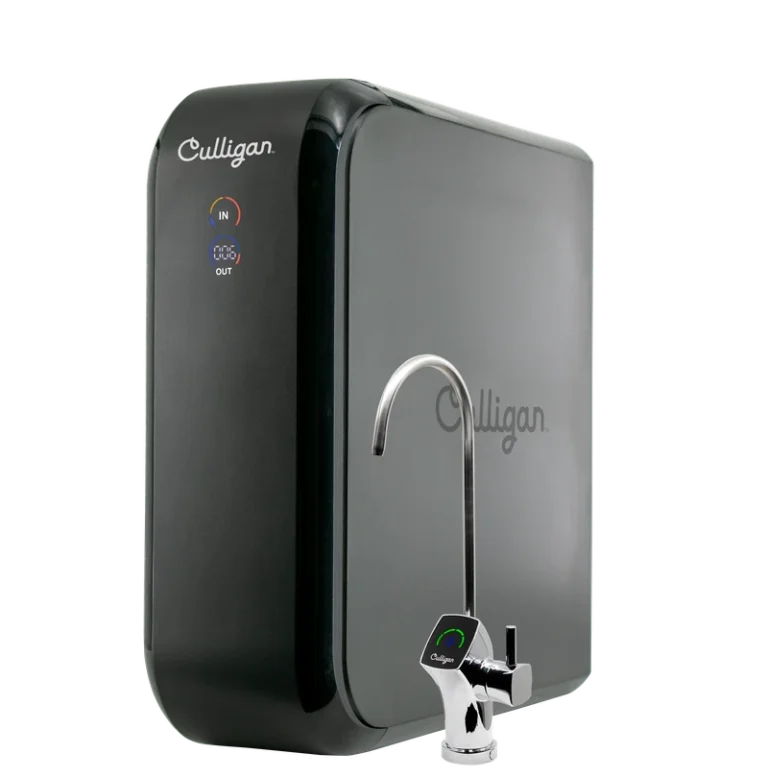
After learning that PFAS and other trace contaminants can show up in local water testing, we wanted a better option for drinking, cooking, coffee, and ice. Culligan walked us through reverse osmosis and helped us choose a system for the kitchen. The water tastes cleaner, and we feel better knowing it has extra filtration.
FAQ
Additional Information On Rockwall, Texas Tap Water
Is Rockwall tap water safe to drink?
Rockwall’s tap water is treated to meet drinking water requirements, but trace contaminants, minerals, disinfectants, PFAS, and treatment-related byproducts can still be present. That is one reason many homeowners choose water filtration for better taste, added confidence, and extra protection at the tap.
Where does Rockwall get its water?
Rockwall purchases treated water from the North Texas Municipal Water District through the Wylie Water Treatment Plant. The water comes from surface water sources, including Lavon Reservoir, Jim Chapman Lake, Lake Texoma, Lake Tawakoni, and the East Fork Raw Water Supply Project. Surface water can be affected by runoff, organic material, seasonal changes, and reservoir conditions, which is why many homeowners choose in-home testing and filtration.
Does Rockwall use chlorine or chloramines?
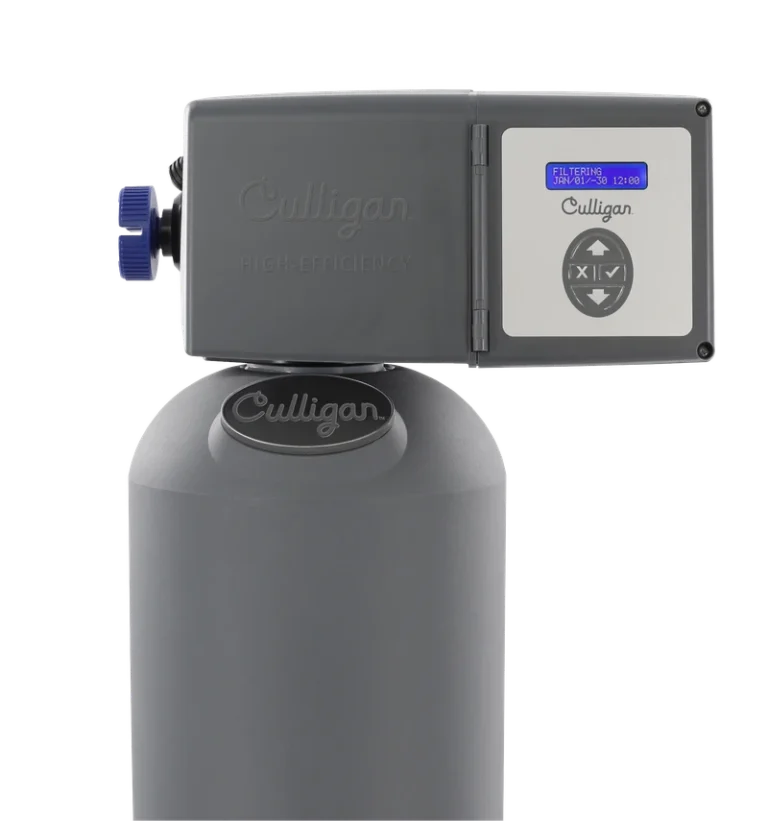
Rockwall reported chlorine residual as chloramines, with an average level of 2.39 ppm and a highest single result of 3.52 ppm. Chloramines help control microbes in the water system, but they can also contribute to chemical taste or odor. A properly selected carbon filtration system can help reduce disinfectant taste and smell throughout the home.
Does Rockwall water contain disinfection byproducts?
Yes. Rockwall testing reported Haloacetic Acids (HAA5) at 31 ppb and Total Trihalomethanes (TTHM) at 55.9 ppb. These byproducts can form when disinfectants react with organic material in surface water. Even when levels are within drinking water requirements, many homeowners choose whole-house carbon filtration to help reduce unwanted tastes, odors, and treatment-related byproducts before water reaches the tap.
Does Rockwall water contain PFAS or forever chemicals?
Yes. Rockwall’s water quality information listed PFAS detected through UCMR5 monitoring, including PFBA at an average level of 0.0067 µg/L, PFBS at 0.0034 µg/L, PFHxA at 0.0046 µg/L, and PFPeA at 0.0048 µg/L. PFAS concerns are one reason many homeowners choose advanced drinking water filtration, such as reverse osmosis, for added protection at the tap.
Is Rockwall water hard?
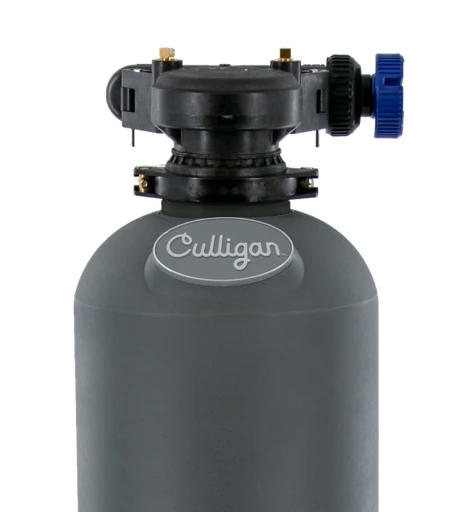
Yes. Rockwall reported total hardness as CaCO3 at 200 ppm, with a detected range of 96 to 200 ppm. That level can contribute to spots on dishes, scale buildup around fixtures, dry-feeling skin, and soap that does not lather as well. A water softener can help reduce hardness minerals before they move through the home.
What contaminants were found in Rockwall water?
Testing detected several regulated and monitored contaminants in Rockwall water, including arsenic at 1 ppb, barium at 0.055 ppm, cyanide at 56 ppb, fluoride at 0.492 ppm, nitrate at 0.698 ppm, nitrate-nitrite at 0.277 ppm, beta/photon emitters at 5.3 pCi/L, lead at a 90th percentile level of 2.19 ppb, and copper at a 90th percentile level of 0.764 ppm. These results help show why in-home water treatment can still be valuable, even when water is treated before it reaches the home.
Is lead or copper a concern in Rockwall water?
Lead was reported at a 90th percentile level of 2.19 ppb, and copper was reported at a 90th percentile level of 0.764 ppm. The report listed 0 sites over the action level for both lead and copper. Even with those results, lead and copper can still enter water through household plumbing, fixtures, and service lines. Homes with older plumbing may benefit from a water test and a drinking water filtration system designed to reduce metals.
Were any microbiological issues reported in Rockwall water?
Rockwall’s water quality information listed total coliform detections, with no E. coli positives reported. Coliform bacteria are used as an indicator that bacteria could be present in the distribution system. The report also noted that a Level 1 assessment was required and completed. For homeowners, this is another reason to consider testing the water at the tap and using filtration for added peace of mind.
Does Rockwall water contain cyanide?
Yes. Rockwall reported cyanide at a highest detected level of 56 ppb. This was below the limit listed in the water quality information, but cyanide is still a contaminant many homeowners may want to understand more clearly. A reverse osmosis drinking water system can help reduce many dissolved contaminants used for drinking, cooking, coffee, and ice.
Does Rockwall water have dissolved solids or mineral concerns?
Rockwall reported total dissolved solids at 455 ppm, sodium at 88 ppm, sulfate at 147 ppm, chloride at 92.5 ppm, total alkalinity as CaCO3 at 138 ppm, and pH up to 8.8. These mineral and chemistry values can affect taste, feel, scale, and how water performs in the home. A water test can help determine whether a softener, whole-house filter, reverse osmosis system, or combination system is the right fit.
Does Rockwall water contain nitrate?
Rockwall reported nitrate, measured as nitrogen, at 0.698 ppm and nitrate-nitrite at 0.277 ppm. These levels were below the limits listed in the water quality information, but nitrate is still a contaminant many homeowners pay attention to, especially households with infants, young children, or anyone with specific health concerns. Reverse osmosis can help reduce many dissolved contaminants at the tap.
Should I use a water filter in Rockwall?
Many Rockwall homeowners can benefit from a water filter, especially if they want to reduce chloramine taste, disinfection byproducts, PFAS, dissolved solids, hardness minerals, metals, or concerns tied to surface water conditions. A local water test can help determine whether a whole-house filter, reverse osmosis system, water softener, or combination system makes the most sense for your home.
Where Can I Get a Local Water Quality Report?
You can access Rockwall’s Water Quality Report here.


Facebook