School Water Testing Services for the Dallas Fort Worth Metro Area
Ensure cleaner, safer water across your school with certified testing, expert guidance, and customized filtration recommendations from Culligan of Dallas.
-
Professional Testing for Lead & Other Impurities
- Testing for contaminants commonly found in school buildings, including lead, copper, iron, nitrates, hardness minerals, and dissolved solids.
- EPA-certified laboratory analysis for accurate, defensible results.
-
On-Site Sampling & Local Support
- Culligan technicians collect water samples directly from fountains, kitchen taps, classroom sinks, bottle-fillers, and other priority outlets.
- Local specialists familiar with Dallas water conditions, school infrastructure, and typical problem areas.
-
Improve Safety & Support Transparency
- Testing helps schools identify internal plumbing issues that may not reflect citywide water quality.
- Results can support communication with families, staff, and district leadership.
-
Customized Filtration & Next-Step Recommendations
- If testing detects elevated contaminants, Culligan provides recommendations for point-of-use filtration, bottle-filler upgrades, or whole-building solutions.
- Options include certified lead-removal filters, reverse osmosis stations, activated carbon filtration, and improved maintenance programs.

Commercial & Industrial
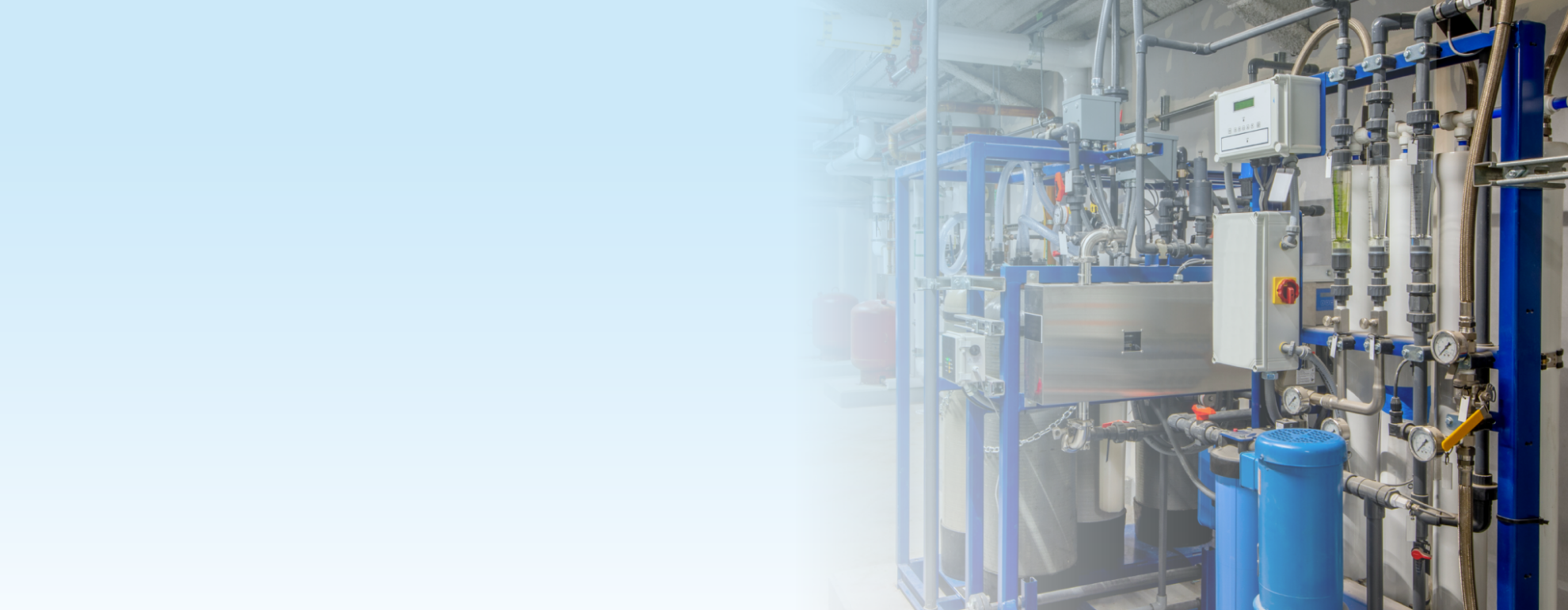
Are You Losing Operational Costs Because Of Poor Water Quality or Treatment Equipment?
- Deionization
- Industrial Softening
- Large Scale Filtration/RO
- Pre-Treatment
- Storage/Distribution
- Reclamation/Re-Use
FAQ
Common Questions About School Water Testing in the Dallas Fort Worth Metro Area
What impurities can Culligan test for in schools?
Culligan tests for a range of impurities commonly found in institutional buildings, including lead, copper, iron, hardness minerals, nitrates, total dissolved solids (TDS), and microbiological contaminants. Additional specialty testing can be performed based on campus needs.
Why is water testing important for schools?
School plumbing can contain older pipes, joints, and fixtures where metals like lead and copper can leach into drinking water. Testing helps identify risks early, protect student health, and ensure drinking fountains and bottle-fillers meet safety goals — even when the city’s main water supply is compliant.
How does Culligan’s school testing process work?
Culligan handles on-site sample collection, follows EPA and industry best practices, and sends all samples to an EPA-certified lab for analysis. Once results return, we review them with your team and outline solutions ranging from fixture-level filtration to building-wide upgrades.
Does Culligan assist with lead testing programs like TCEQ’s voluntary school initiative?
Yes. While enrollment in TCEQ’s program is handled directly by the district, Culligan can perform supplemental testing, interpret existing results, and recommend filtration or remediation options where needed.
Do you offer testing for multiple buildings or entire districts?
Absolutely. Culligan supports single-facility testing as well as district-wide assessments. We can coordinate schedules, prioritize high-risk locations, and consolidate reporting for easier administrative review.
Can Culligan recommend or install filters if a school has elevated lead levels?
Yes. Culligan offers certified filtration systems designed for lead, copper, and other contaminants. Options include point-of-use filters for fountains, bottle-filling stations, kitchen taps, and broad treatment solutions when needed.
How quickly will results be available?
Most results are available within 1–5 business days depending on the analysis required. Your Culligan representative will provide a timeline and follow up as soon as results are processed.
How do we schedule school water testing?
Contact Culligan of Dallas to schedule an on-site evaluation. We’ll walk your facility, identify sampling locations, perform testing, review results, and recommend next steps or filtration solutions tailored to your campus.

Facebook